
Soluble vs Insoluble Fiber: What Is Fiber and Why It Matters
What Is Dietary Fiber?
Dietary fiber is a natural part of plant foods. It refers to the portion of carbohydrates that the body does not fully break down like sugars or starches. Because of this, fiber changes how a meal is experienced after eating.
Fiber can influence digestion timing, feelings of fullness, and how long a meal feels satisfying. You will find fiber in vegetables, fruits, legumes, whole grains, nuts, and seeds. Most whole foods contain more than one type of fiber.
Fiber also gives plants their structure. Skins, stems, seeds, and grain layers all contain fiber. When foods are heavily processed, much of this structure gets removed. That is one reason highly refined foods often behave differently in digestion.

How Soluble Fiber Behaves in Digestion
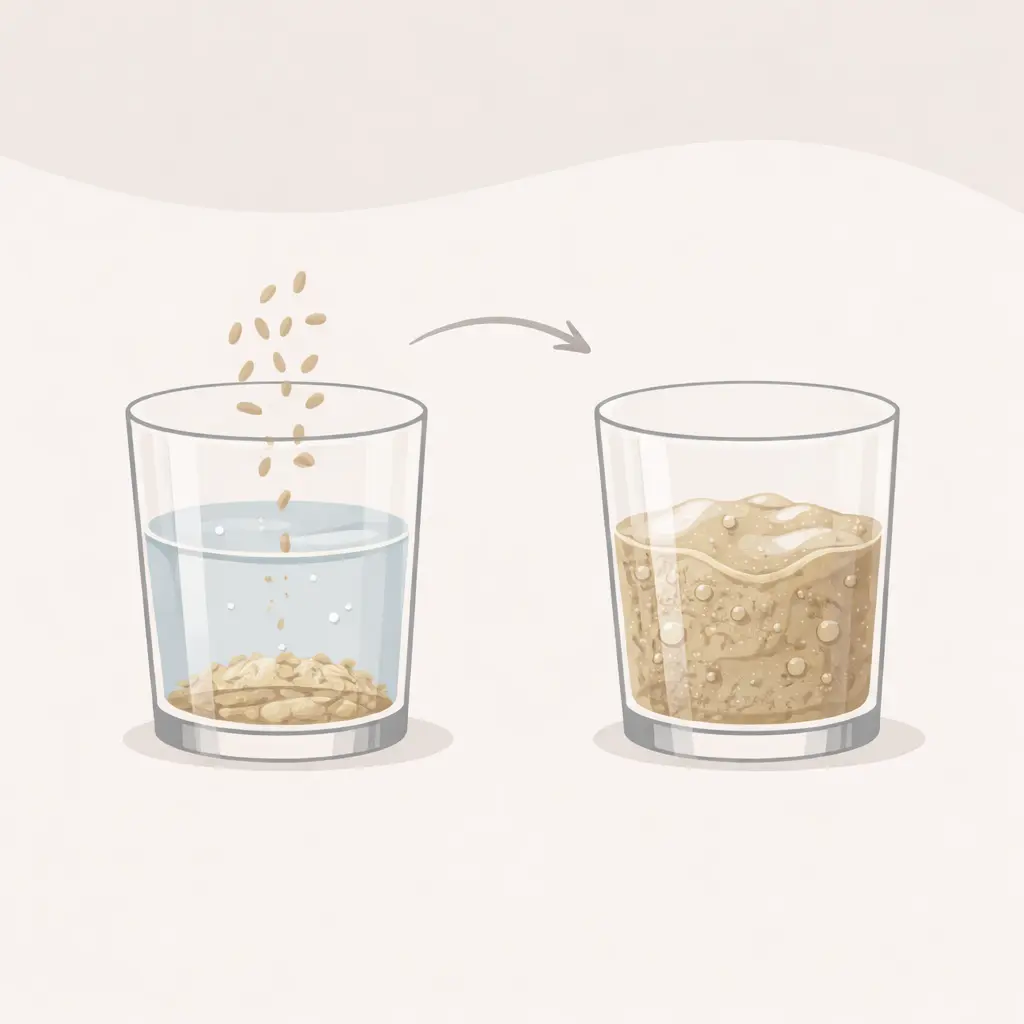
Soluble fiber dissolves in water and forms a gel-like texture during digestion. This gel can slow the movement of food through the digestive process and affect how a meal is absorbed.
Foods commonly associated with soluble fiber include oats, beans, lentils, apples, citrus fruit, and certain seeds. Some forms of soluble fiber are fermentable, meaning gut microbes can use them as fuel.
An easy way to explain soluble fiber is to picture it mixing with water and becoming softer and thicker. This description supports education-first content without making medical claims.
Convenience links (fiber-focused):

How Insoluble Fiber Behaves in Digestion
Insoluble fiber does not dissolve in water. It adds structure and bulk, which supports natural movement through the digestive tract.
Leafy greens, whole grains, nuts, seeds, and fruit and vegetable skins contain higher amounts of insoluble fiber. Many whole foods contain both soluble and insoluble fiber, which is why variety matters.
A simple way to describe insoluble fiber is to think of it as the framework of plant foods. This structure can influence how food moves through digestion and how a meal feels afterward.
Where Fiber Fits in Metabolic Health Education
Metabolic health education focuses on how the body manages energy and responds to meals over time. Fiber often comes up in these conversations because whole foods tend to contain more fiber than refined foods.
Education-first content does not make promises or medical claims. Instead, it explains why certain patterns repeat in credible nutrition guidance, such as eating more plants and choosing less processed foods.
Fiber works best as part of a bigger picture. Hydration, protein intake, movement, sleep, and stress can all affect how people experience energy and cravings. Fiber supports the system, but it is not the only factor.


Key Takeaways
Dietary fiber plays an important role in how meals are experienced. Soluble fiber dissolves in water and forms a gel-like texture that can slow digestion. Insoluble fiber does not dissolve and supports structure and movement through digestion.
Most whole foods contain a mix of both fiber types. Rather than trying to optimize one type, a more practical approach is to focus on eating a variety of plant foods over time.
References: Two well-known resources for general fiber education include Harvard’s Nutrition Source and the NHLBI’s heart-healthy living guidance.
This content is for general education only and is not medical advice.