
Why Everyone Is Talking About GLP-1 (and It’s Not Just About Weight)
What GLP-1 Is and Why Awareness Has Increased
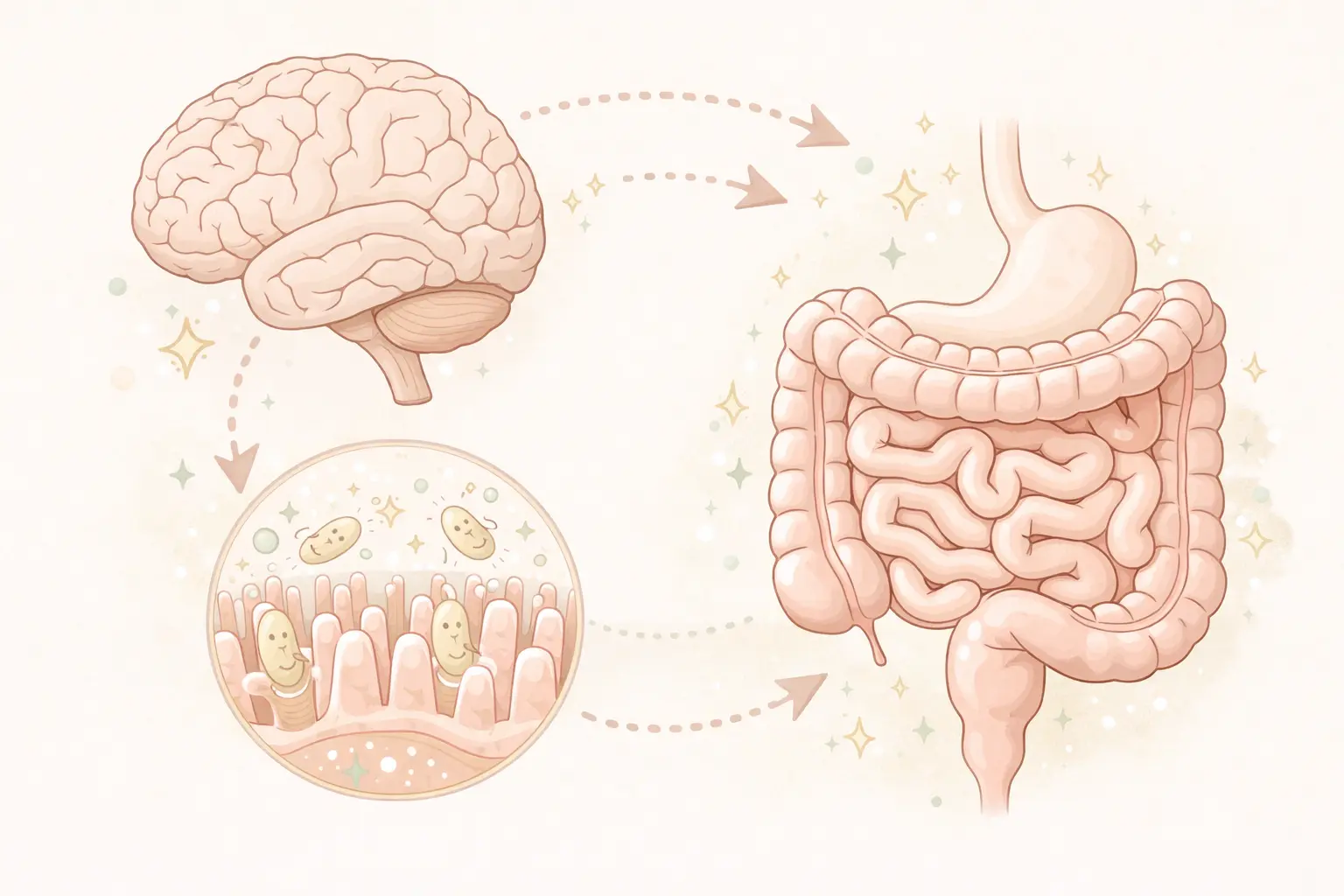
GLP-1, short for glucagon-like peptide-1, is a hormone released in the gut after eating. It plays a role in signaling fullness to the brain, slowing digestion, and supporting insulin communication. Although GLP-1 has always existed in the body, awareness has increased as more people learn how lifestyle patterns influence metabolic health.
Modern diets, eating speed, and highly processed foods can disrupt natural appetite signaling. As a result, GLP-1 is now discussed as part of a broader effort to understand how the body regulates hunger, energy use, and blood sugar balance.
Educational discussions around GLP-1 often appear alongside insulin resistance and diabetes awareness, not as a treatment, but as a way to better understand metabolic communication.
How GLP-1 Supports Metabolic Communication
Rather than acting in isolation, GLP-1 works as part of a signaling network. After a meal, it helps slow how quickly food leaves the stomach and supports insulin response to rising blood sugar.
When GLP-1 signaling is supported through balanced habits, people often report greater awareness of fullness, fewer intense cravings, and steadier energy between meals. These experiences are frequently discussed in metabolic health education and are closely linked to insulin sensitivity and blood sugar stability.
This is why GLP-1 appears in conversations beyond weight — it reflects how effectively the body receives and responds to internal signals.

Lifestyle Patterns Commonly Linked to GLP-1 Support
GLP-1 activity is influenced by daily habits rather than single actions. Educational research often highlights a few consistent patterns:
Fiber-forward meals slow digestion and support gut signaling. Whole foods such as vegetables, legumes, seeds, and fruits are frequently discussed in this context.
Balanced macronutrients matter. Meals that include protein, healthy fats, and fiber tend to support steadier appetite cues than highly refined foods.
Meal timing and spacing give appetite hormones time to communicate. This is why GLP-1 is often discussed alongside time-restricted eating and metabolic flexibility education.
Gut health awareness is essential. Because GLP-1 is produced in the gut, digestion quality and food diversity are central to the conversation.

Where Unimate Fits Into the GLP-1 Discussion
Some people explore beverages that align with metabolic routines. Yerba mate, the primary ingredient in Unimate, is frequently discussed in research for its relationship with appetite awareness and metabolic signaling.
Rather than acting as a hormone, Unimate is typically positioned as a supportive lifestyle habit, often used in the morning or during fasting windows. It is commonly paired with fiber-first meals and balanced nutrition, not used as a standalone solution.
Learn more about Unimate (yerba mate).


Article Summary
GLP-1 is gaining attention not because it is new, but because people are learning how central it is to metabolic communication. Beyond weight, GLP-1 plays a role in appetite awareness, digestion speed, and blood sugar signaling.
Education-first discussions emphasize habits such as fiber intake, balanced meals, meal timing, and gut health rather than quick fixes. Supportive routines may include beverages like yerba mate, but lifestyle patterns remain the foundation.
For readers interested in deeper learning, organizations such as the National Institutes of Health (https://www.nih.gov), Harvard Health Publishing (https://www.health.harvard.edu), and nutrition-focused research institutions provide ongoing education about digestion, metabolism, and appetite regulation. This information is shared for general lifestyle awareness and educational purposes.